About All Tours National Reserve ToursFrom Lima ToursBuggy ToursBoat ToursBallestas Islands ToursParacas & Huacachina Directions Hours & Fees
Find Tours 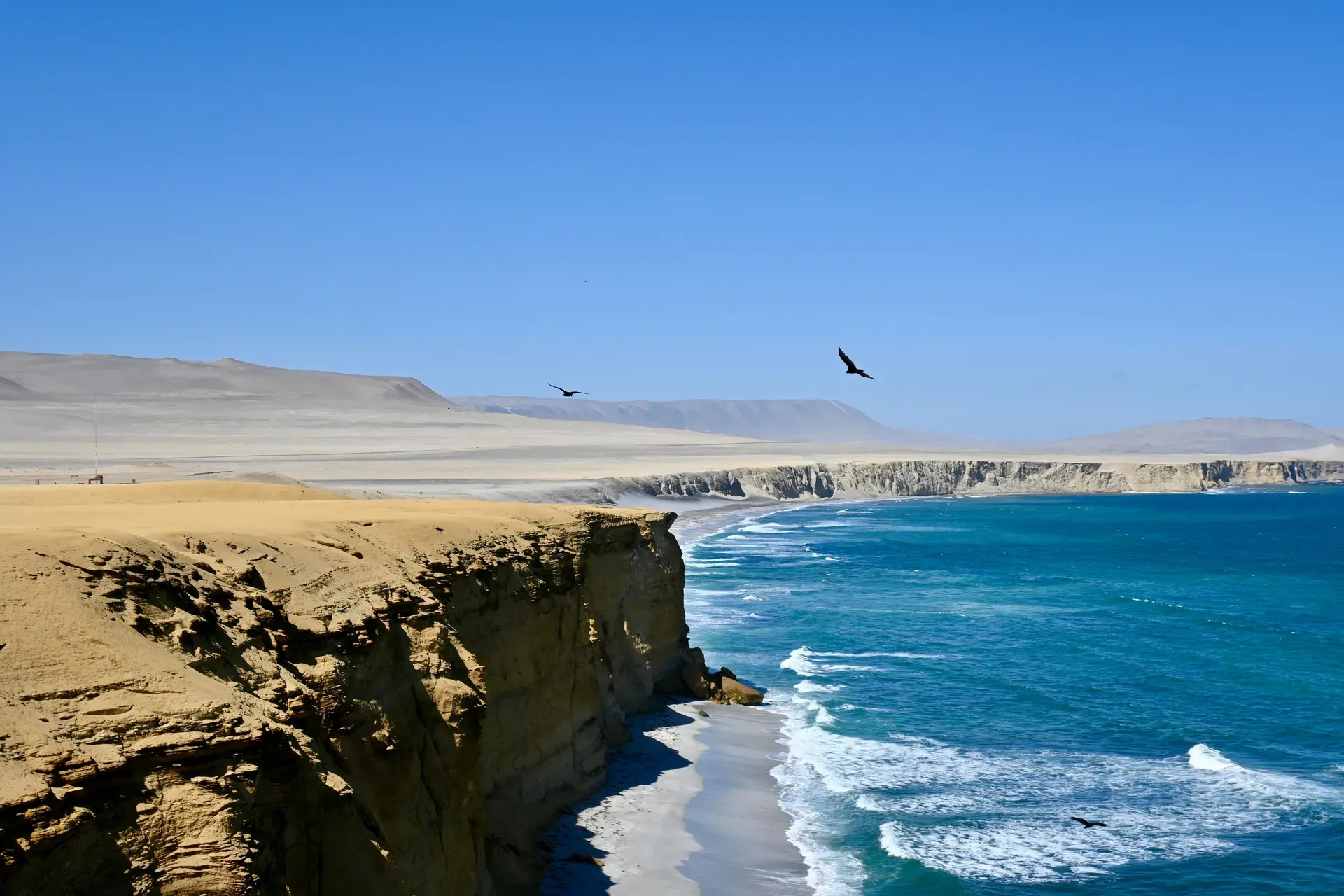
Located 260 kilometers south of Lima, Paracas protects 335,000 hectares of hyper-arid desert and nutrient-rich marine habitats. Visitors can view a 600-foot ancient geoglyph etched into the cliffs before observing hundreds of sea lions and Humboldt penguins offshore.
Find Guided ToursParacas is a coastal town and desert peninsula in the Pisco Province of Peru's Ica Region, located 260 kilometers south of Lima. With a population of 7,009, the town sits at an elevation of 0 to 2 meters above sea level. It acts as the primary gateway to the Paracas National Reserve, a protected area where hyper-arid desert dunes drop directly into the Pacific Ocean.
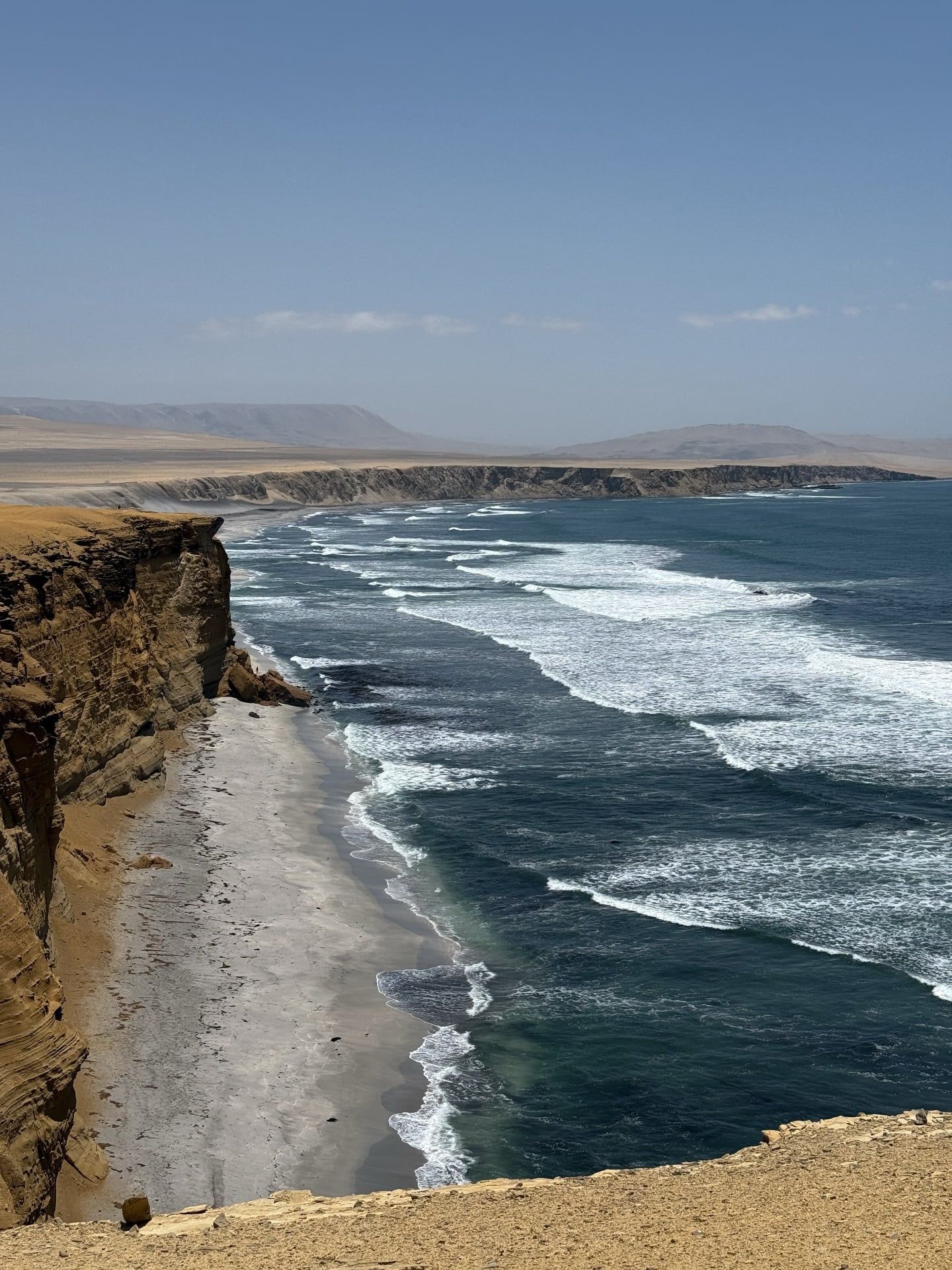
The surrounding marine waters are heavily enriched by the cold, nutrient-dense Peru Current. This fuels a massive food chain within the reserve's 335,000 hectares of coastal desert, marine waters, and offshore islands. The protected area hosts 36 mammal species and 216 bird species, representing the highest concentration of seabirds in the world. Visitors often observe the dramatic contrast between the deep blue ocean and the stark landscape, which is composed of ochre red, yellow, and gold sediments.
Long before modern borders existed, this region was the center of the influential Paracas culture, which thrived from approximately 800 BCE to 100 BCE. The pioneering Peruvian archaeologist Julio C. Tello first formally investigated the area in the 1920s by excavating major burial complexes at Cerro Colorado. Tello identified two distinct historical periods. The Paracas Caverns, dating from 400 BCE, featured deep shaft tombs, while the later Paracas Necropolis consisted of shallow individual graves. This society became renowned for its highly advanced textile arts, complex funerary customs, and cranial surgery.
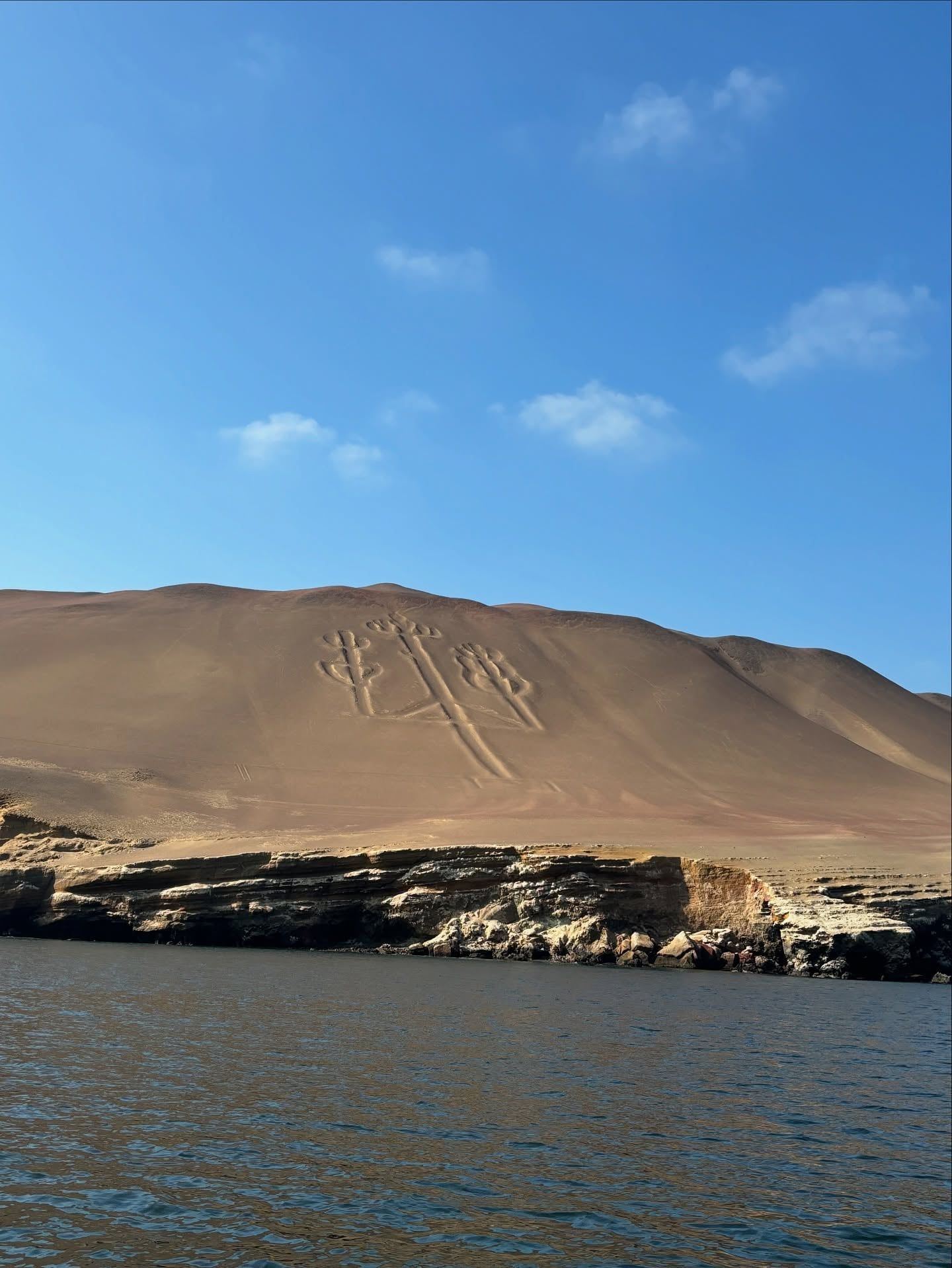
The peninsula also holds the Paracas Candelabra, a massive prehistoric geoglyph etched into the northern ridge. Measuring nearly 183 meters tall, this drawing dates back more than 2,500 years and remains strictly protected by local laws. Later in the 1840s, the nearby Chincha Islands gained global significance during the historic Peruvian guano boom, further cementing the region's importance in South American history.
Discover the full history and cultural significance on our About page.
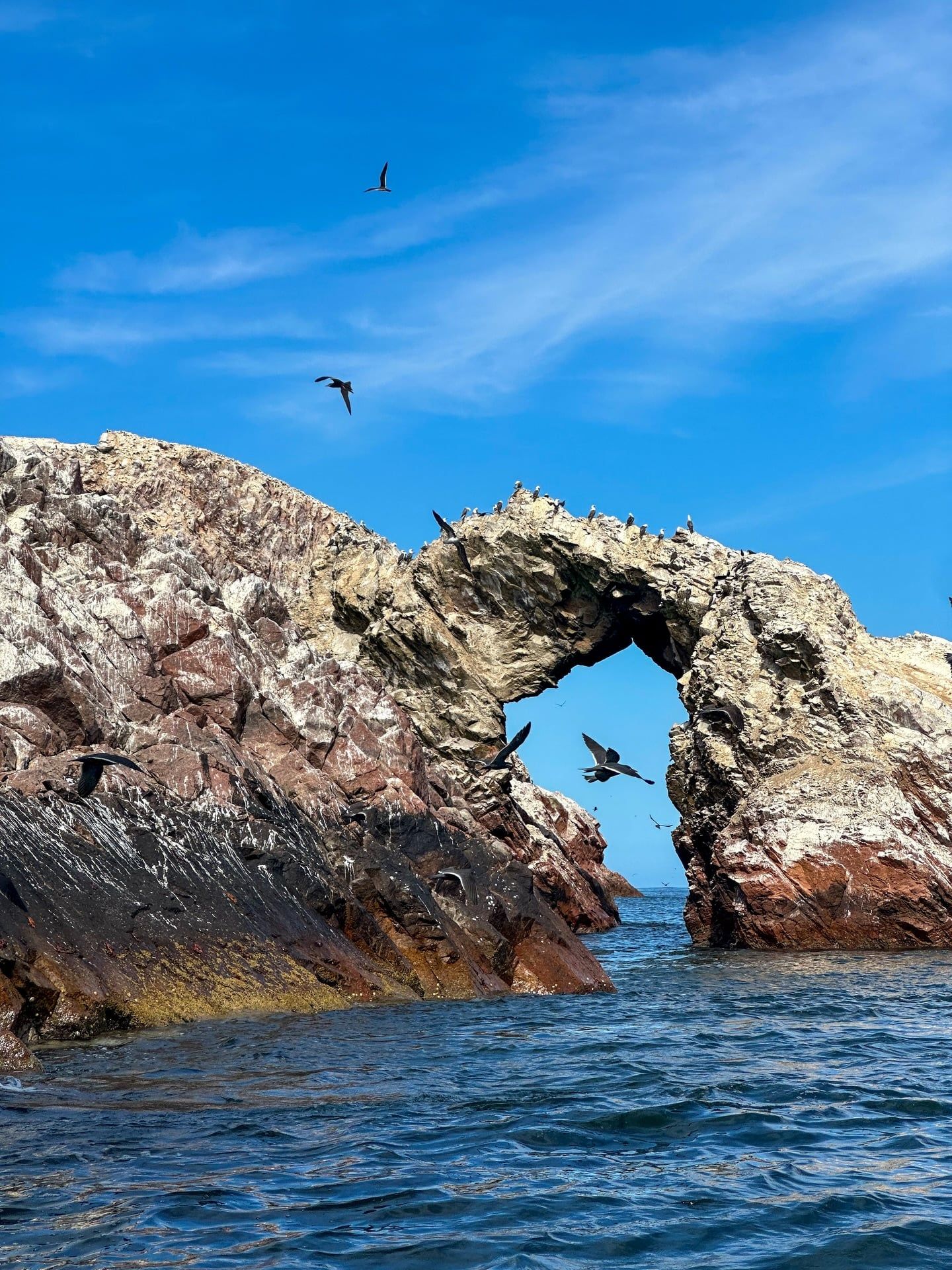
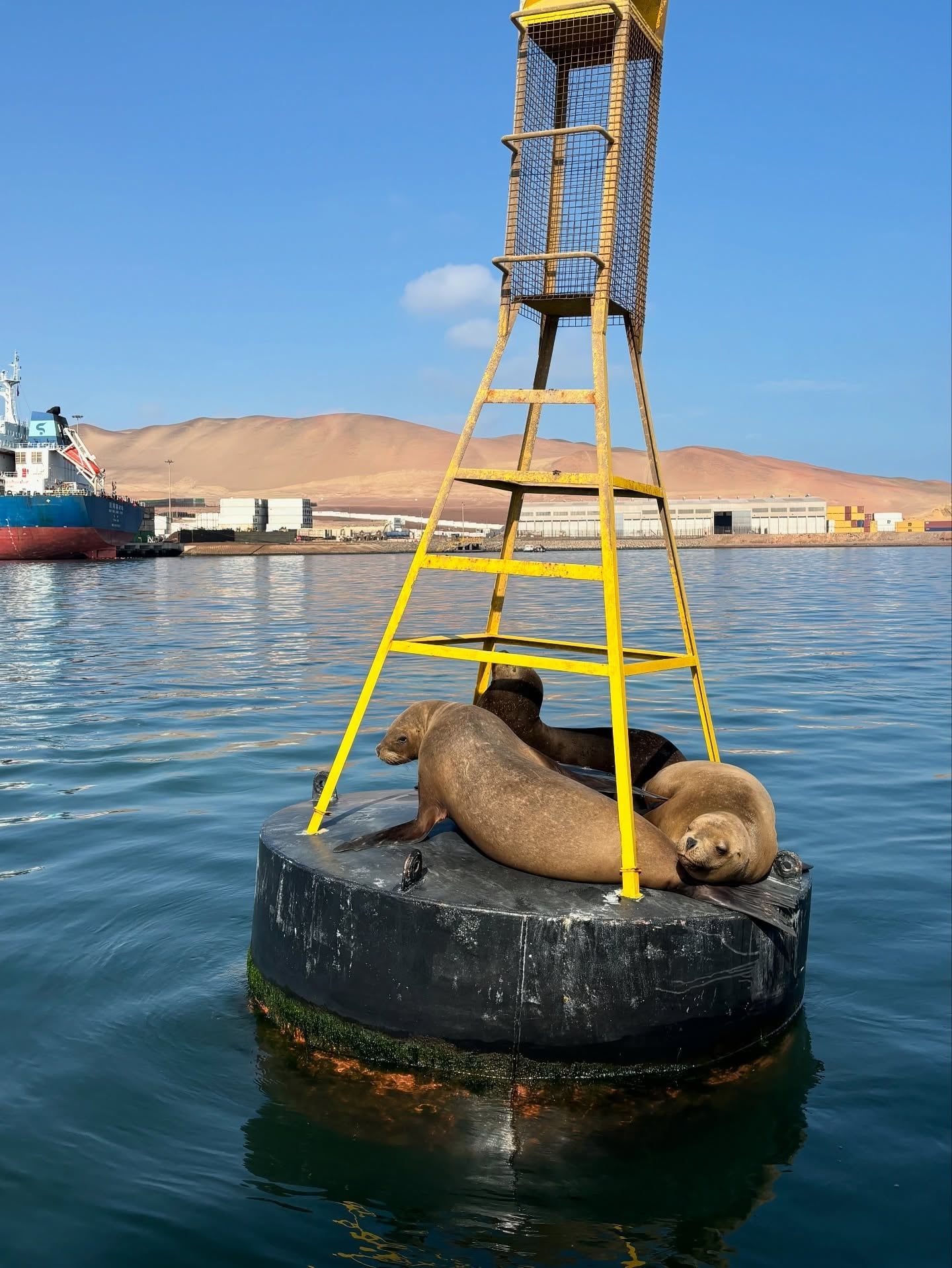
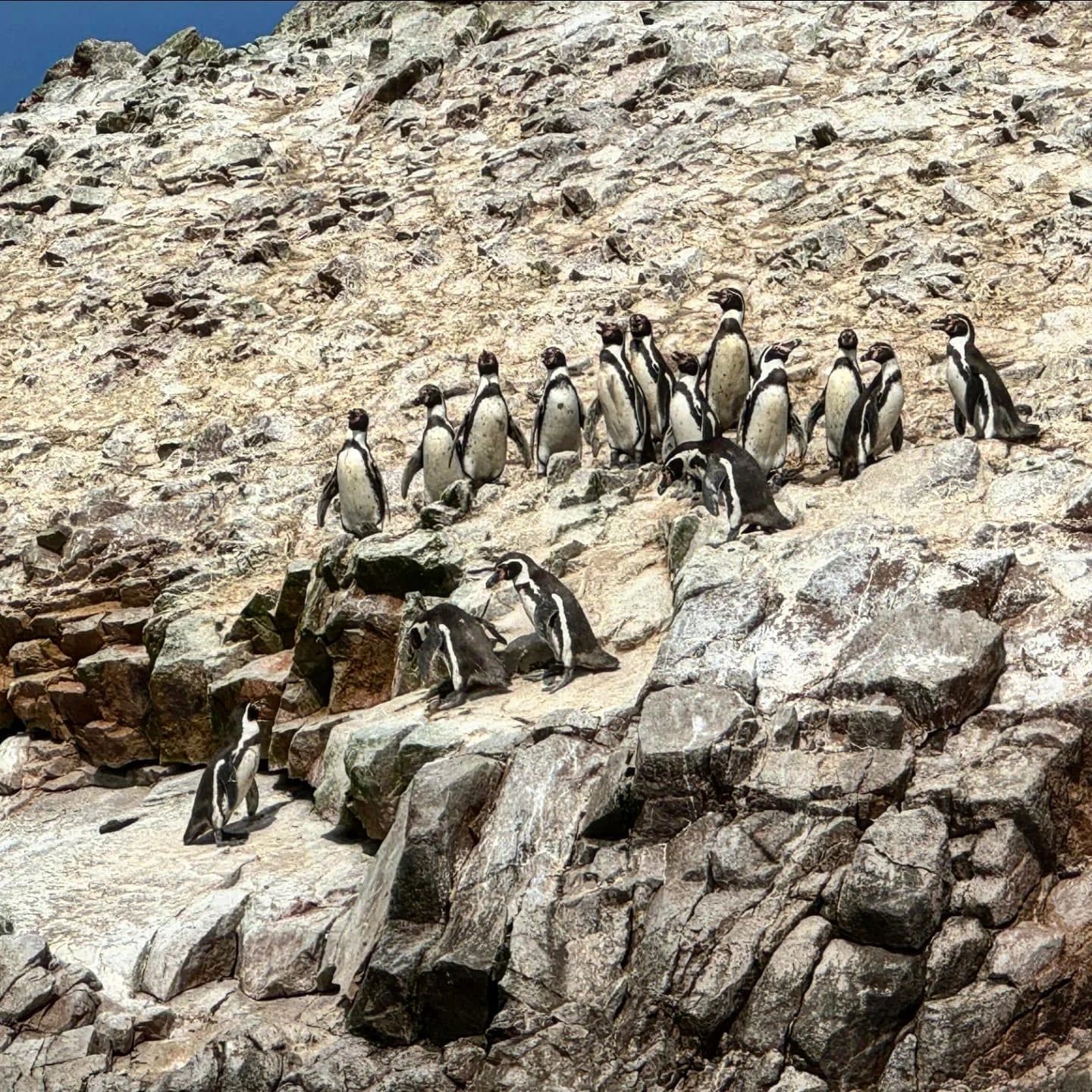
A two-hour speedboat excursion takes you to the rocky outcrops of the Ballestas Islands. Here, you can observe lazy sea lions basking in the sun and spot Humboldt penguins nesting along the cliffs. The protected marine sanctuary hosts thousands of seabirds fueled by the nutrient-dense Peru Current.
Etched into the peninsula's northern ridge, this prehistoric geoglyph measures nearly 600 feet tall. The fork-like drawing dates back more than 2,500 years. Because land access is strictly restricted to protect the site, you can only view its massive scale from the ocean during a morning boat tour.
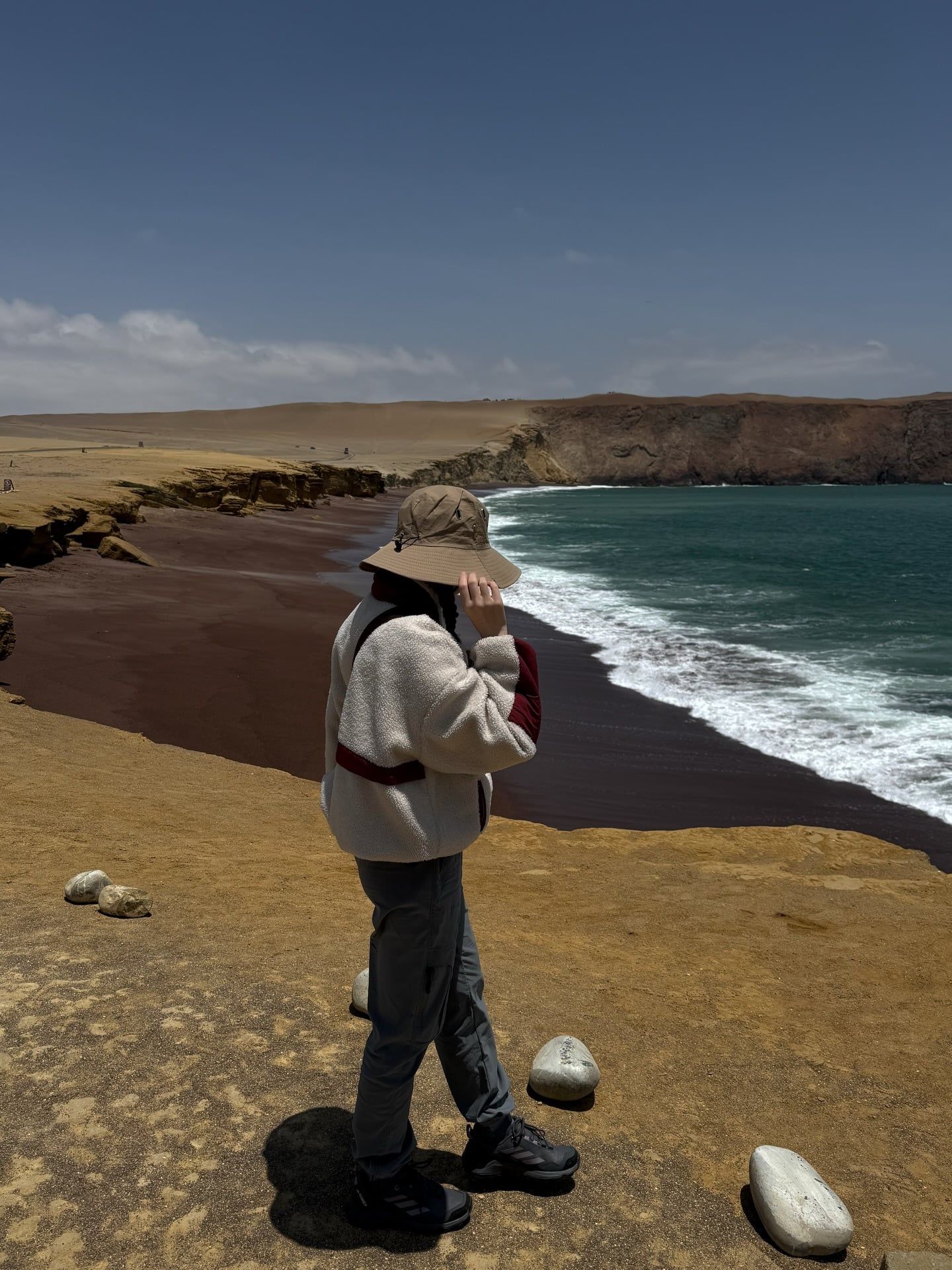
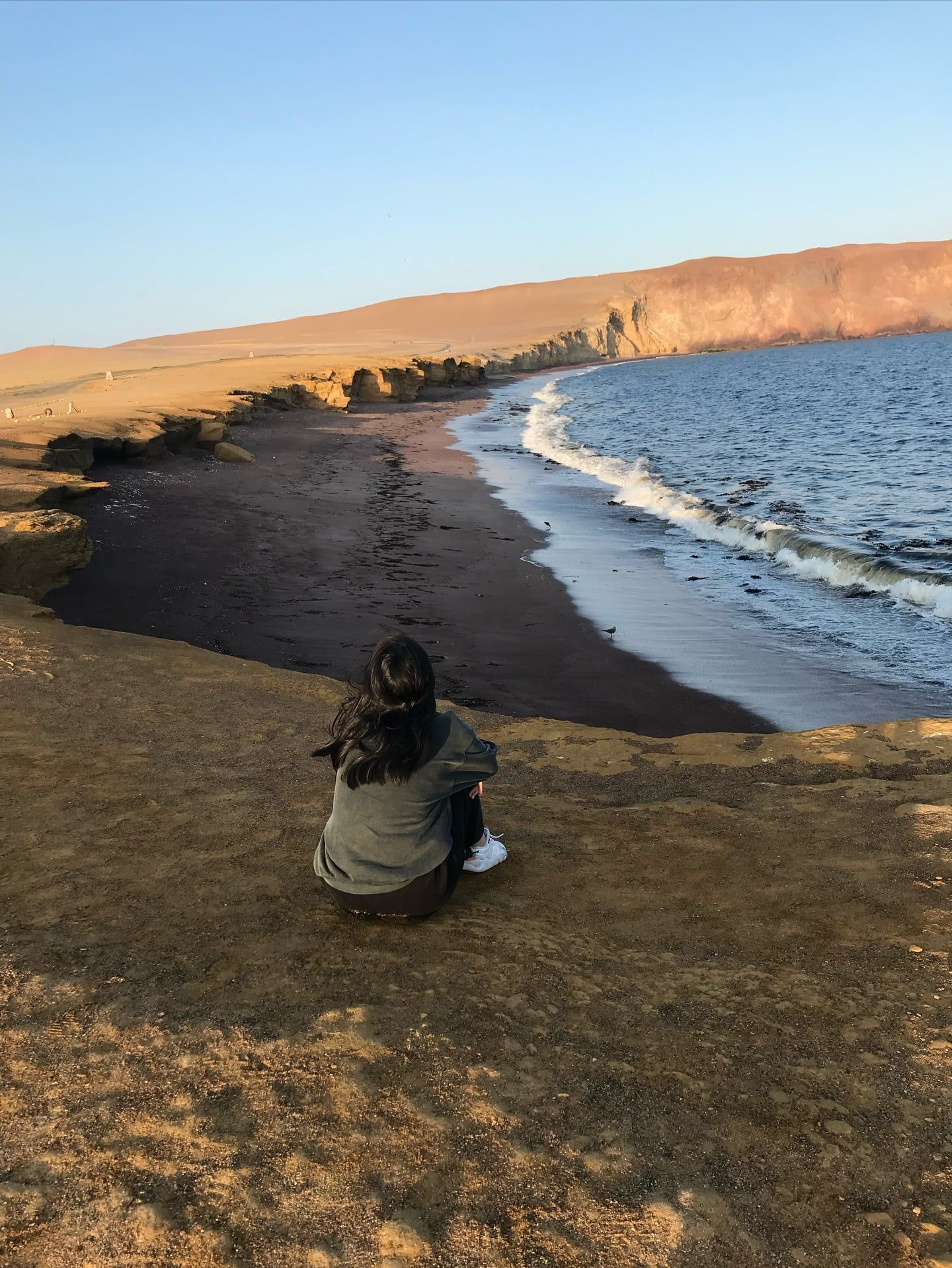
Bright reddish-orange sands create a stark contrast against the deep blue waves of the Pacific Ocean. The striking color comes from the erosion of nearby cliffs. Located within the 335,000-hectare reserve, this coastal desert landscape offers one of the most visually arresting photography locations in the region.
The region is the cradle of an influential Andean society that thrived from 800 BCE to 100 BCE. At the modern reserve museum, you can examine archaeological artifacts from Julio C. Tello's 1920s excavations and study the culture's highly advanced textile arts, cranial surgery, and complex funerary customs.
Hand-picked tours with free cancellation and verified reviews
 Free Cancellation 16h
  Free Cancellation 18h
  Free Cancellation 17h
  Free Cancellation 17h
  Free Cancellation 17h
  Free Cancellation 17h
  Free Cancellation 18h
  Free Cancellation 48h
 The ideal time to visit Paracas is during the hot summer months from December to February for clear, sunny skies. Travelers prioritizing wildlife viewing should consider visiting between April and November, which is the prime window for spotting migratory Humboldt penguins.
Hot, sunny, and clear weather dominates this period. It is the most popular time for general visits, though summer weekends can become heavily overcrowded with domestic tourists from Lima.
Temperatures begin to cool down from the summer peak. Starting in April, this season marks the beginning of the optimal viewing window for migratory Humboldt penguins on the Ballestas Islands.
These months are cool, dry, and extremely windy. Strong winds cause choppy seas that can disrupt boat tours, and July 28th and 29th bring massive crowds for Fiestas Patrias.
Weather conditions gradually warm up while remaining dry. Visitors during this time enjoy excellent opportunities to observe active Humboldt penguins before the heavy domestic tourist crowds arrive in December.
The Paracas National Reserve is open daily from 09:00 to 16:00, with access granted through the Santo Domingo Checkpoint. The Ballestas Islands sector operates on a separate schedule, strictly running in the mornings from 06:00 to 13:00. Most authorized tourist boat departures for the islands are scheduled between 08:00 and 10:00.
| Category | Price |
|---|---|
| General and National Adults (Daily) | S/. 11.00 |
| Minors (Ages 5 to 16) (Daily) | S/. 3.00 |
| Children under 5 | Free |
| Local Resident Adults with ID (Daily) | S/. 5.00 |
| Local Resident Minors with ID (Daily) | S/. 3.00 |
| Promotional 2x1 Ticket (Reserve and Ballestas Islands) | S/. 17.00 |
| 2-to-3-Day Ticket (General Adults) | S/. 60.00 |
| 2-to-3-Day Ticket (National Adults) | S/. 30.00 |
| 2-to-3-Day Ticket (Minors and Locals) | S/. 15.00 |
| 4-to-30-Day Ticket (General Adults) | S/. 150.00 |
| 4-to-30-Day Ticket (National Adults) | S/. 75.00 |
| 4-to-30-Day Ticket (Minors and Locals) | S/. 35.00 |
Standard entry tickets are purchased at the Santo Domingo Checkpoint or online via SERNANP. Boat tours to the Ballestas Islands require booking with authorized operators. If visiting both the reserve and the islands, ask for the SERNANP promotional 2x1 ticket at the gate to save on daily entry costs.
For complete schedules and ticket prices, visit our Hours & Fees page.
Paracas is located 260 kilometers south of Lima and is primarily accessed by road along the flat coastal Pan-American Highway. Visitors typically arrive via bus from major hubs like Lima and Ica, or by private charter flights to nearby Pisco.
Traveling by road from Lima is the standard way to reach Paracas. The route covers 260 kilometers along the flat coastal Pan-American Highway. Reputable operators such as Cruz del Sur, Oltursa, and Peru Bus provide daily departures from the capital's main terminals. Alternatively, services like Peru Hop offer direct hotel pickups and drop passengers directly in central Paracas town, bypassing highway taxis.
Public buses operate regularly between the Ica terminal and Paracas, covering a distance of 75 kilometers. Travelers can also hire private taxis to complete this short route. Alternatively, structured hop-on and hop-off transport services like Peru Hop provide direct transfers. These private services drop passengers directly inside the destination, eliminating the need for additional transit upon arrival.
There are no direct commercial flights to Paracas from Lima. Travelers must instead book private charter flights to the Capitán FAP Renán Elías Olivera International Airport located in Pisco. This brief flight covers a distance of 250 kilometers. Upon landing at the Pisco airport, visitors take a quick 15 to 20-minute taxi ride to reach the main tourist area of El Chaco.
For detailed transport options and routes, visit our Directions page.
The equatorial sun in the Paracas desert is extremely intense, while coastal winds remain notoriously strong and chilly. Pack high-SPF sunscreen, sunglasses, and a wide-brimmed hat to prevent sunburn. You should also bring a windbreaker and a light headscarf to protect your ears from the constant gusts.
Schedule your Ballestas Islands excursion for the earliest departure, typically around 08:00. Ocean waters are significantly calmer during these morning hours, which reduces the likelihood of tour cancellations. Since the two-hour speedboat ride traverses choppy open water, take motion sickness medication 30 minutes before boarding.
Ask for the SERNANP promotional pass at the Santo Domingo Checkpoint gate. This combined 2x1 ticket costs just 17 soles for adults and grants access to both the National Reserve and the Ballestas Islands. Purchasing this option saves money compared to buying separate 11-sole daily entry tickets.
The open-air speedboats heading to the protected marine sanctuaries frequently take on ocean spray and splash over the sides. Keep your cameras and phones safe by packing them in a waterproof dry bag. A floating, waterproof phone pouch is also highly recommended for taking photos safely.
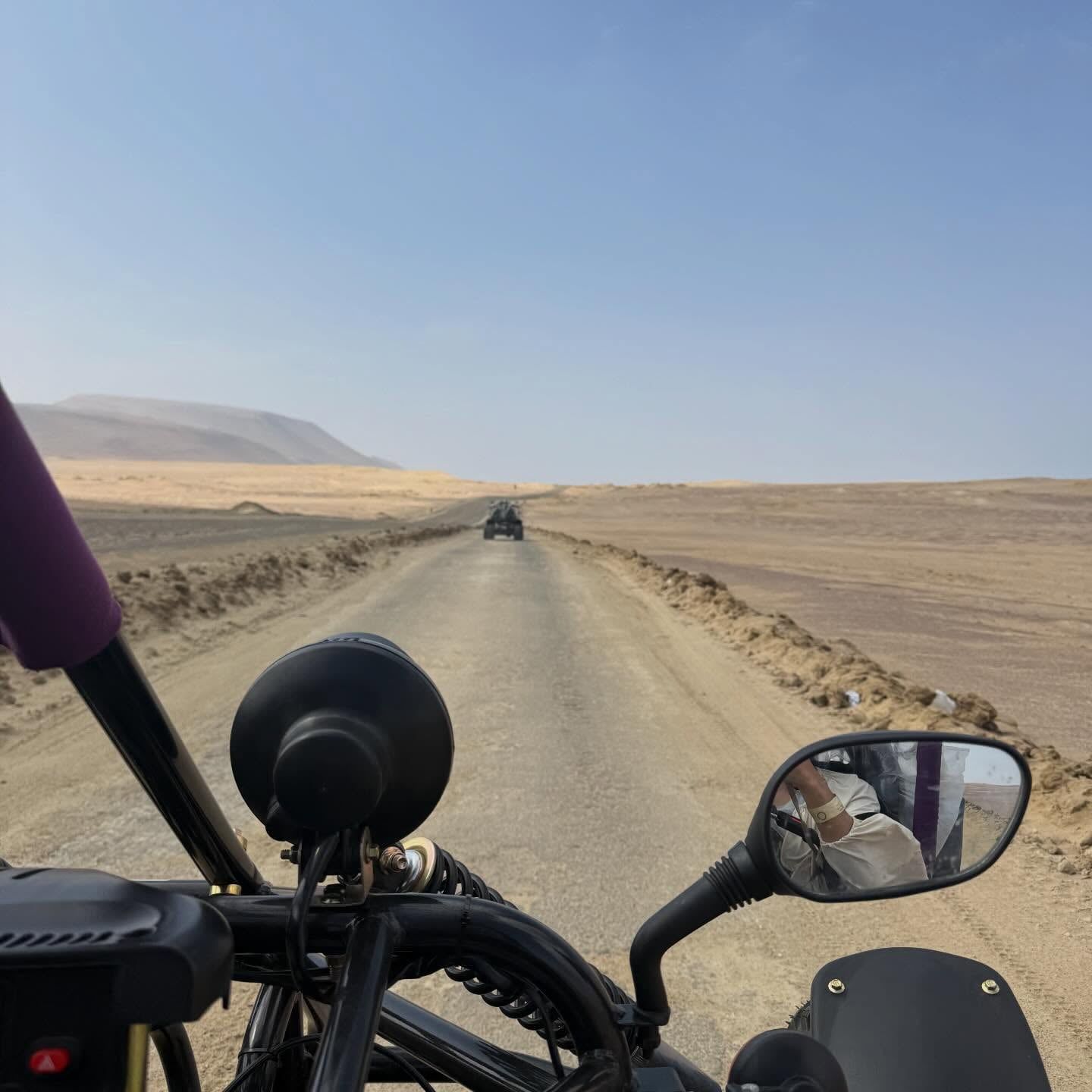
Navigate the massive 335,000-hectare coastal reserve at your own pace by renting a scooter in town for approximately 22.50 euros. This alternative allows you to bypass rigid tour bus schedules entirely. You can spend extra time at remote locations and travel between viewpoints independently.
The steep desert cliffs overlooking the Pacific Ocean are highly unstable and prone to sudden collapse. You must stick strictly to marked trails and avoid standing near the edges at viewpoints like La Catedral. The arid landscape is also disorienting, so always carry offline maps and plenty of water.
This desert oasis centers around a peaceful green lagoon bordered by 100-foot-tall sand dunes. Visitors come to ride high-speed dune buggies, try sandboarding, and watch the sunset over the arid landscape.
Built entirely of adobe, this highly preserved 15th-century Inca administrative complex sits inland from the coast. It demonstrates a rare architectural fusion combining highland Andean raised walls with coastal decorative styles.
The agricultural valleys surrounding the town of Pisco produce Peru's national grape brandy. You can tour historic local vineyards to study the traditional distillation process and participate in guided tasting sessions.
Read what travelers share about their experience visiting Paracas — from practical tips to personal highlights.

The bus ride from Lima to Paracas takes about 3.5 to 4 hours, covering a distance of 260 kilometers. Bus tickets typically cost between USD 12 and USD 28. Reputable companies like Cruz del Sur or Peru Hop offer daily departures from the capital.
Standard daily entry is 11 soles for adults and 3 soles for children aged 5 to 16. If you plan to visit both the reserve and the Ballestas Islands, you can purchase a promotional 2x1 ticket at the gate for 17 soles. Children under 5 enter for free.
The Paracas National Reserve is open daily from 09:00 to 16:00 via the Santo Domingo Checkpoint. Boat tours to the Ballestas Islands operate strictly in the mornings between 06:00 and 13:00, with most departures scheduled between 08:00 and 10:00.
Sea lions are visible in large numbers year-round, but Humboldt penguins are migratory. The best months to spot these penguins on the rocky slopes of the Ballestas Islands are from April to November.
Pack comfortable clothing, light walking shoes, and a windbreaker to protect against strong desert winds. The equatorial sun is intense, so high-SPF sunscreen, sunglasses, and a wide-brimmed hat are highly recommended. If you are taking a boat tour, bring a waterproof bag to protect your electronics from sea spray.
The main entrance plaza and specific lookouts like the Guardhouse Viewpoint feature paved, wheelchair-accessible pathways. Specialized all-terrain wheelchairs are available for rent to navigate rougher areas. However, boarding the boats to the Ballestas Islands and accessing natural beaches involves sandy, uneven terrain that requires personal assistance.
No, visitors are legally prohibited from disembarking on the Ballestas Islands because they are protected marine sanctuaries. You must observe the wildlife from an authorized tour boat, and these tours require booking with an official operator.
Flying a drone without official authorization is strictly prohibited in the reserve. Personal photography is allowed without a permit, but any commercial filming or drone use requires official permits secured weeks in advance from park authorities.
Browse verified tours with free cancellation and instant confirmation.
Find Tours